
Follow Us On:

Working dog education

Working Dog Breed Directory

Explore ten working and guardian breeds: representative images, typical lifespan, adult size, original purpose, registry recognition and litter information. Choose a breed below to open its profile.

These are breed guides, not listings of individual dogs. Lifespan means a general life-expectancy range; it is not the age of the dog pictured. Breed history and recognition dates describe different milestones.

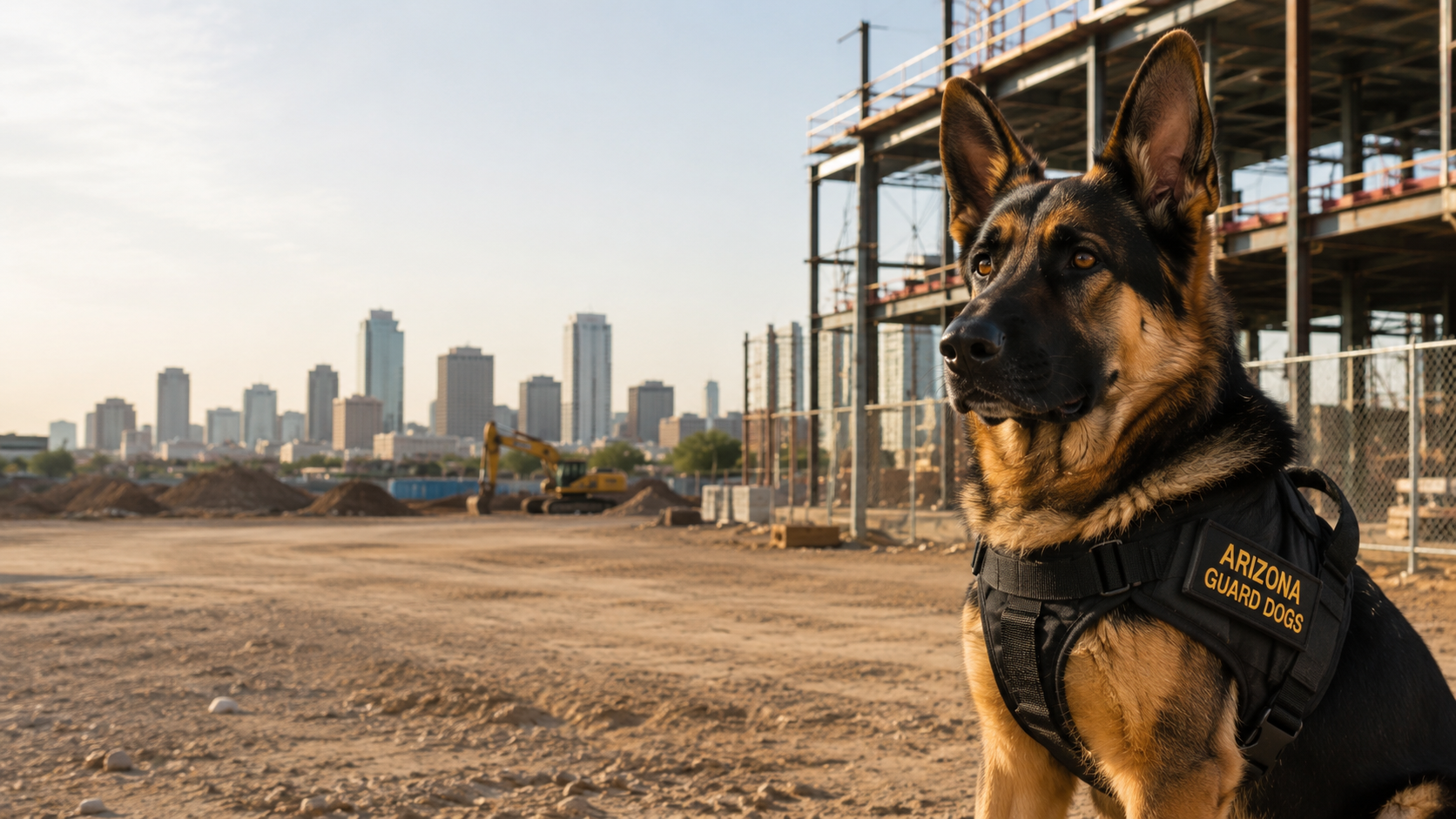
Representative German Shepherd breed image

German Shepherd

Typical lifespan
12–14 years
Adult size
Males: 65–90 lb, 24–26 in. Females: 50–70 lb, 22–24 in.
Origin and original purpose
Germany; standardized from regional herding dogs in the late 1800s. Developed to manage sheep and selected for trainability, endurance and useful working structure.
Registry recognition
AKC: 1908.
Litter size
AKC reports an average of about 8 puppies; smaller and larger litters occur.

General characteristics

Intelligent, responsive and versatile. Working ability depends on the individual dog, sound health, training and consistent handling.
Official Breed Registries

Sources and litter notes · Back to breeds ↑

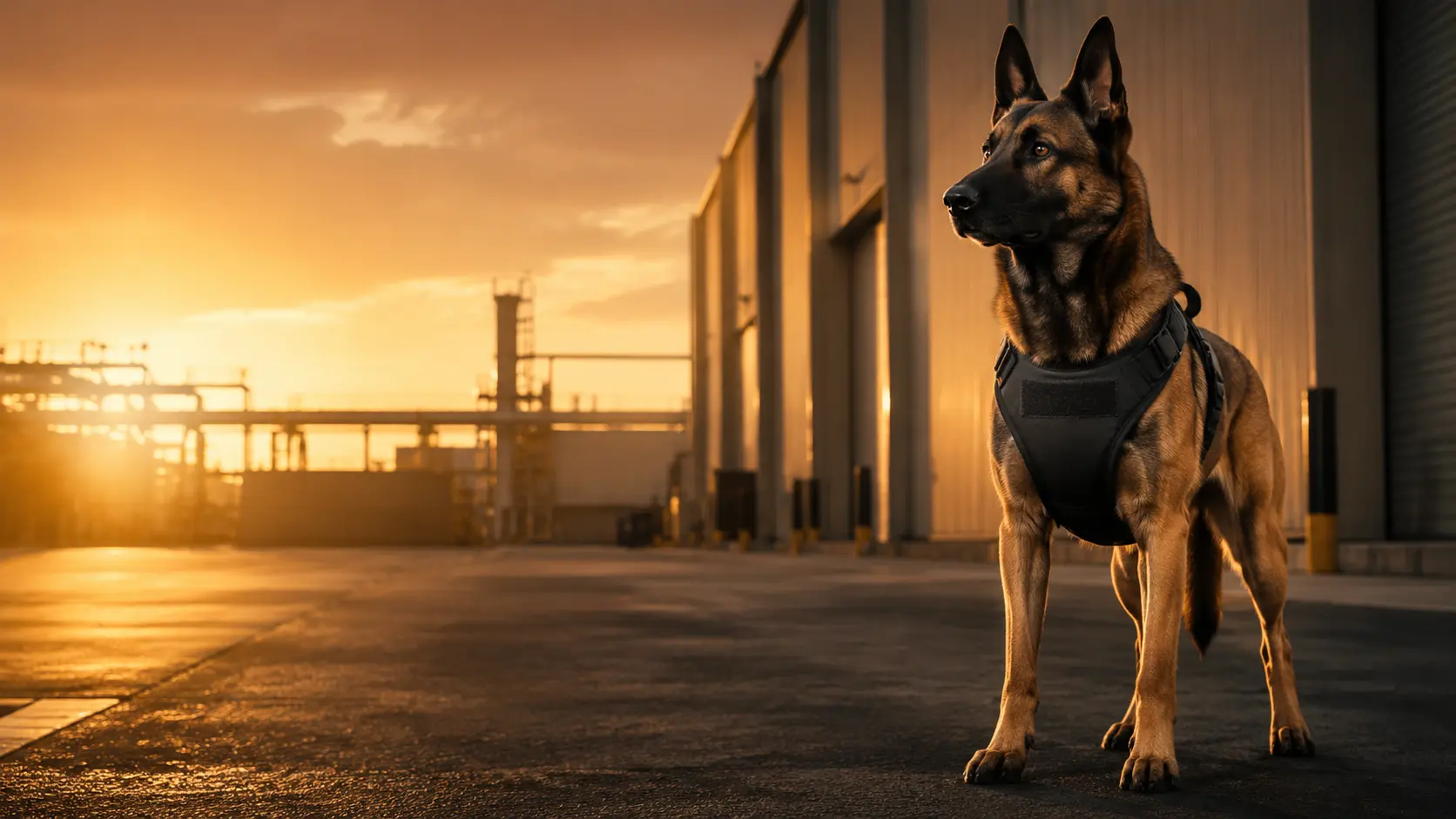
Representative Belgian Malinois breed image

Belgian Malinois

Typical lifespan
14–16 years
Adult size
Males: 60–80 lb, 24–26 in. Females: 40–60 lb, 22–24 in.
Origin and original purpose
Belgium; one of the Belgian shepherd varieties, associated with the Malines region. Originally selected for herding, agility and sustained work; later used in police and other working roles.
Registry recognition
AKC as a separate breed: 1959.
Litter size
Varies by the parents and pregnancy. The registry profile does not publish a breed-wide litter average; see the litter-size guide below.

General characteristics

Athletic, highly energetic and strongly engaged with a handler. Needs substantial daily activity, structured training and an appropriate working environment.

Official Breed Registries

UKC and FCI cover Malinois within the Belgian Shepherd Dog standard.

Sources and litter notes · Back to breeds ↑

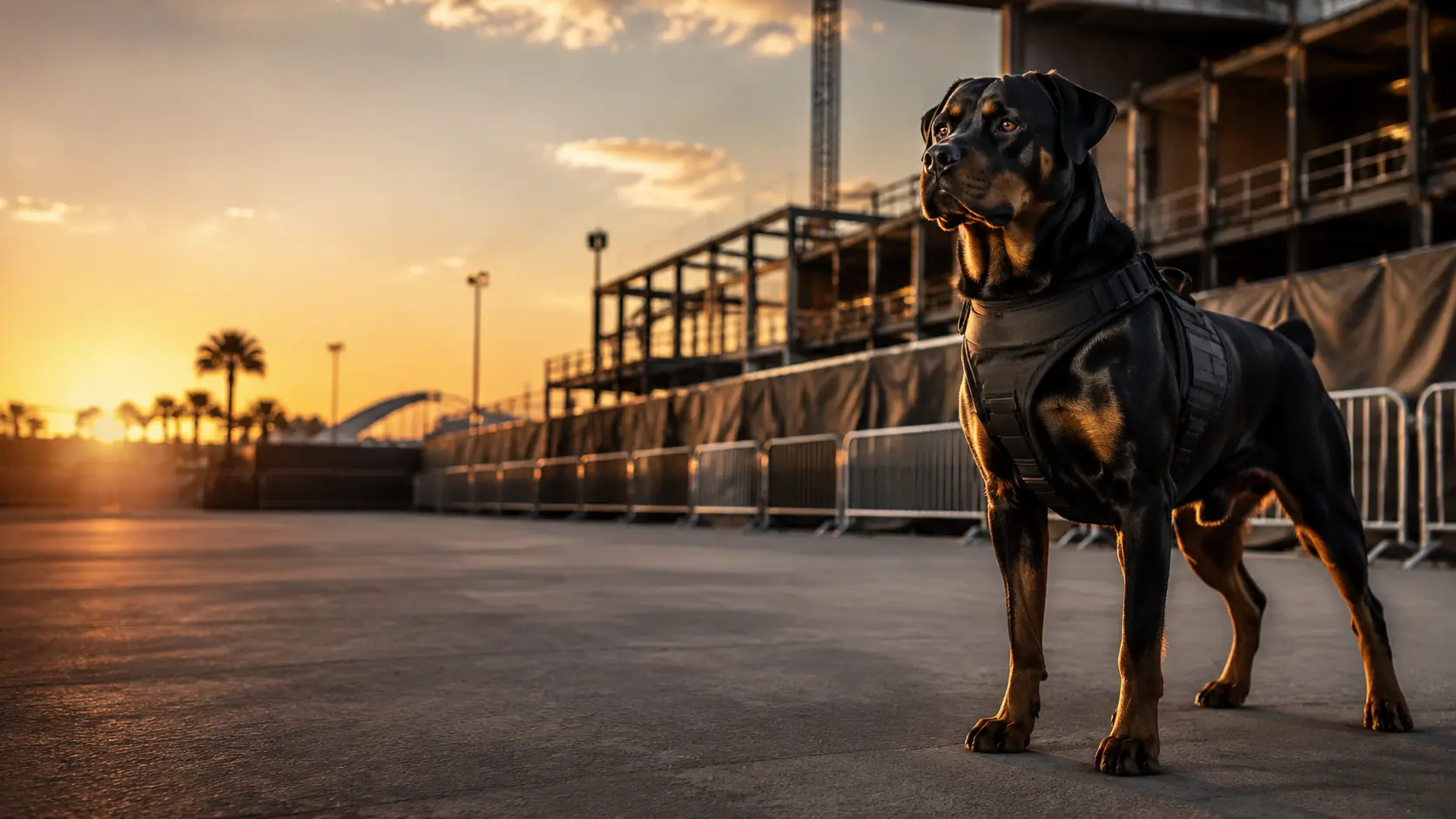
Representative Rottweiler breed image

Rottweiler

Typical lifespan
9–10 years
Adult size
Males: 95–135 lb, 24–27 in. Females: 80–100 lb, 22–25 in.
Origin and original purpose
Germany; descended from cattle-driving and guarding dogs associated with Roman drover stock. The breed developed around Rottweil as a powerful livestock and property worker.
Registry recognition
AKC: 1931.
Litter size
AKC reports an average of about 8 puppies, with substantial variation between litters.

General characteristics

Strong, confident and observant. Early socialization, controlled handling and a suitable assignment matter more than an imposing appearance.

Official Breed Registries

Sources and litter notes · Back to breeds ↑

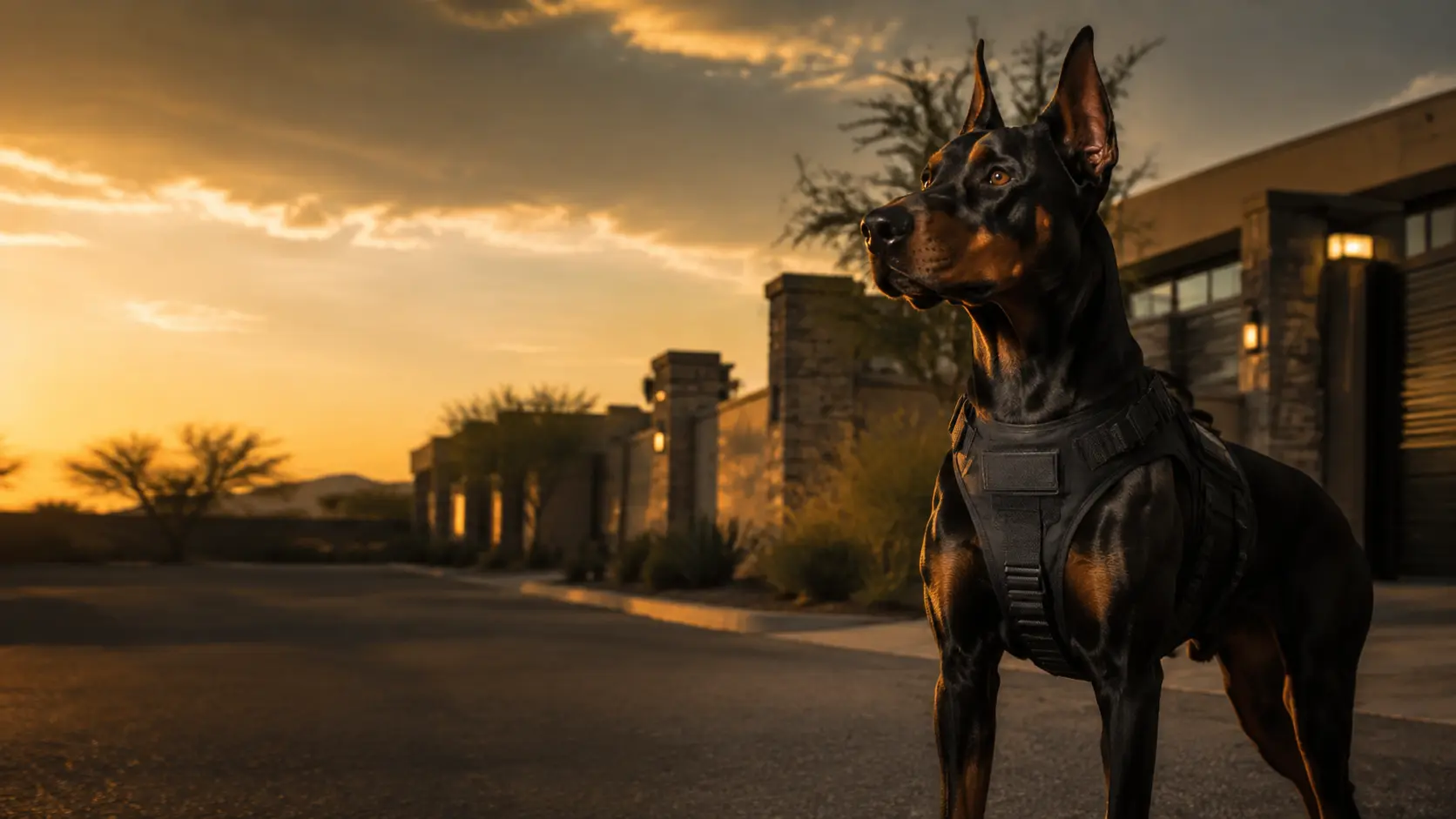
Representative Doberman Pinscher breed image

Doberman Pinscher

Typical lifespan
10–12 years
Adult size
Males: 75–100 lb, 26–28 in. Females: 60–90 lb, 24–26 in.
Origin and original purpose
Apolda, Germany, around 1890; developed by Louis Dobermann for personal protection. Its ancestry combines several working dogs rather than one documented, fixed cross.
Registry recognition
AKC: 1908. This differs from earlier recognition in its country of origin.
Litter size
A Norwegian Kennel Club study reported a mean of 7 puppies across 45 litters recorded in 2006–2007; this is historical sample data, not a prediction.

General characteristics

Alert, quick and responsive to training. A lean athletic build and short coat do not remove the need for shade, water and climate-aware care.

Official Breed Registries

Sources and litter notes · Back to breeds ↑

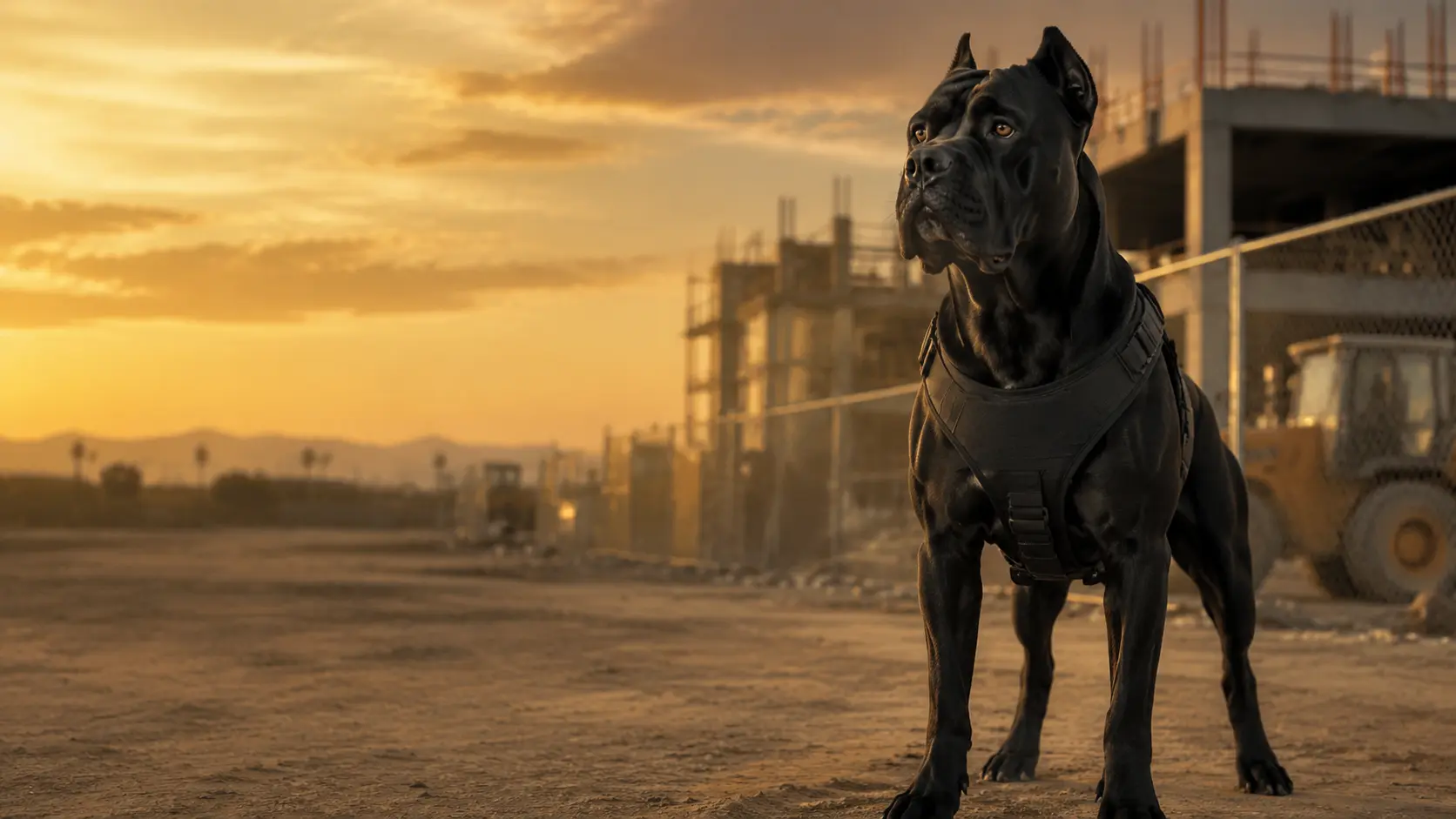
Representative Cane Corso breed image

Cane Corso

Typical lifespan
9–12 years
Adult size
Males: 25–27.5 in. Females: 23.5–26 in. Weight should be proportionate to height.
Origin and original purpose
Italy; a molosser-type working guardian with ancient ancestry. Developed for practical farm and protective work, with a modern recovery of the breed following declining numbers.
Registry recognition
AKC full recognition: 2010; Foundation Stock Service recording began in 1996.
Litter size
Not a fixed breed characteristic. The registry profile does not give a breed-wide litter average; individual breeding records and veterinary assessment are more useful.

General characteristics

Large, strong and confident. Stable temperament, early socialization and reliable control are essential for any working role.

Official Breed Registries

Sources and litter notes · Back to breeds ↑

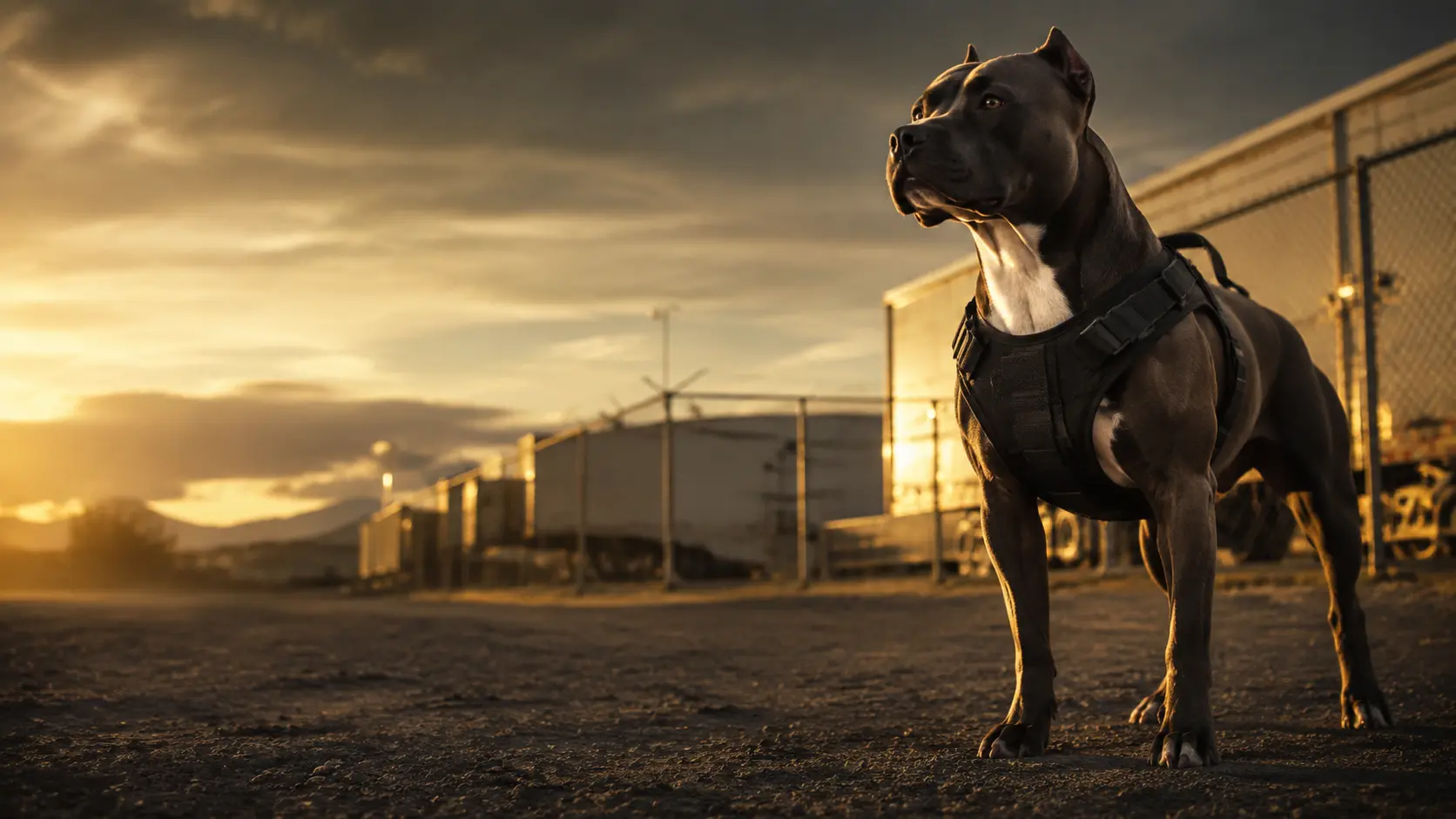
Representative American Pit Bull Terrier breed image

American Pit Bull Terrier

Typical lifespan
Approximately 12–16 years; individual health and care affect longevity.
Adult size
UKC desirable weights: males 35–60 lb; females 30–50 lb. Approximate height: males 18–21 in; females 17–20 in.
Origin and original purpose
Developed from nineteenth-century British and Irish bulldog-and-terrier stock. In the United States these dogs also worked with livestock, hunted and served as companions.
Registry recognition
UKC: 1898. UKC recognition is distinct from AKC recognition; “pit bull” is also used loosely for several different breeds and mixes.
Litter size
Varies; no breed-wide litter average is given in the UKC standard. Do not infer litter size from appearance or a pit-bull label.

General characteristics

Athletic and strong. Assess the individual dog, behavior history, socialization, containment and assignment requirements.

Official Breed Registries

Sources and litter notes · Back to breeds ↑

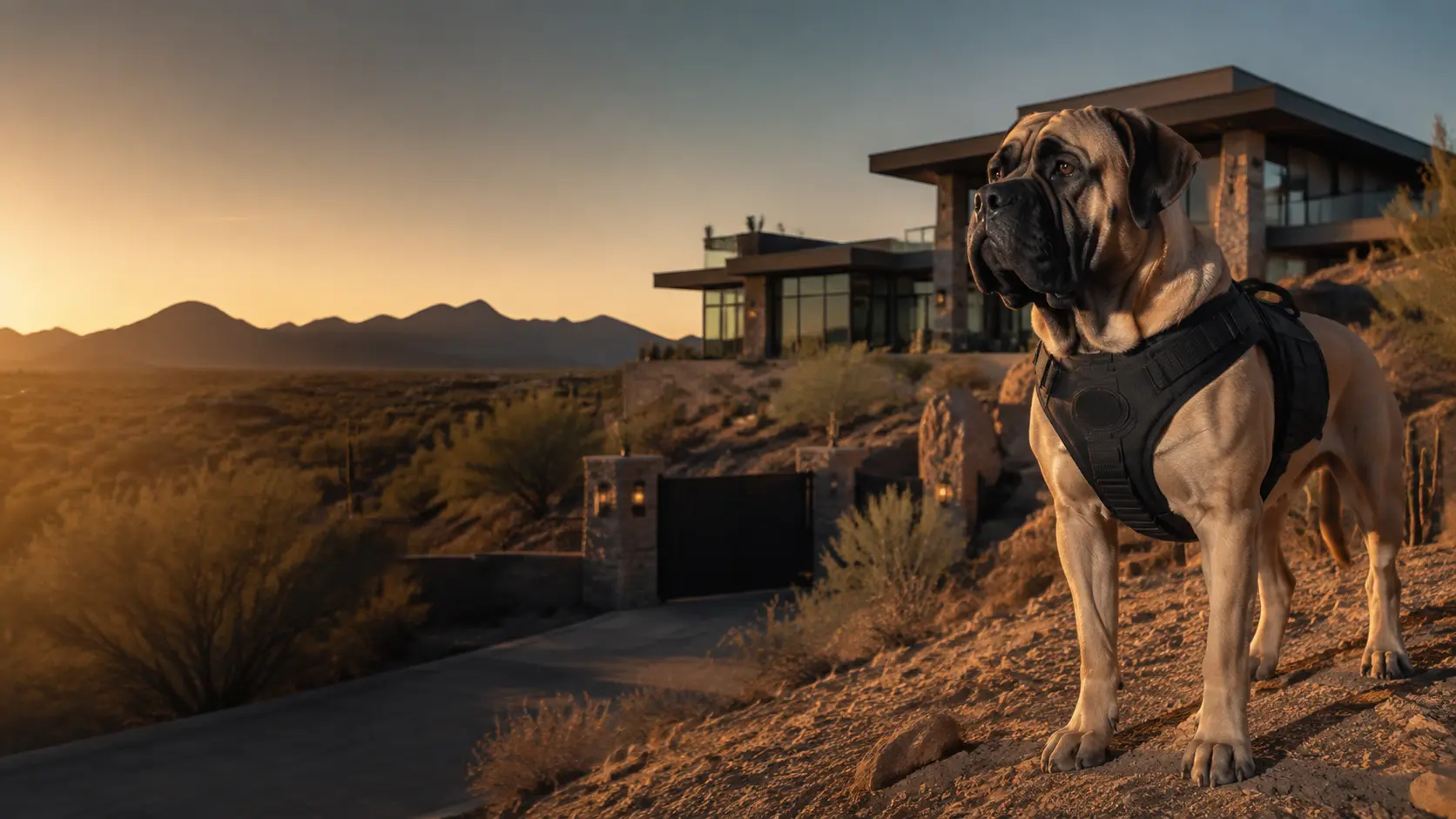
Representative English Mastiff breed image

English Mastiff

Typical lifespan
6–10 years
Adult size
Males: 160–230 lb and at least 30 in. Females: 120–170 lb and at least 27.5 in.
Origin and original purpose
Britain; an old mastiff-type guardian developed for strength and protective presence. The modern Mastiff is a distinct breed, not a label for every large guardian dog.
Registry recognition
AKC, under the name Mastiff: 1885.
Litter size
Varies substantially. The AKC breed profile does not publish a breed-wide litter average; large body size does not guarantee a large litter.

General characteristics

Very large and powerful, often comparatively measured in movement. Physical condition, mobility, climate and the individual temperament determine a suitable role.

Official Breed Registries

Sources and litter notes · Back to breeds ↑

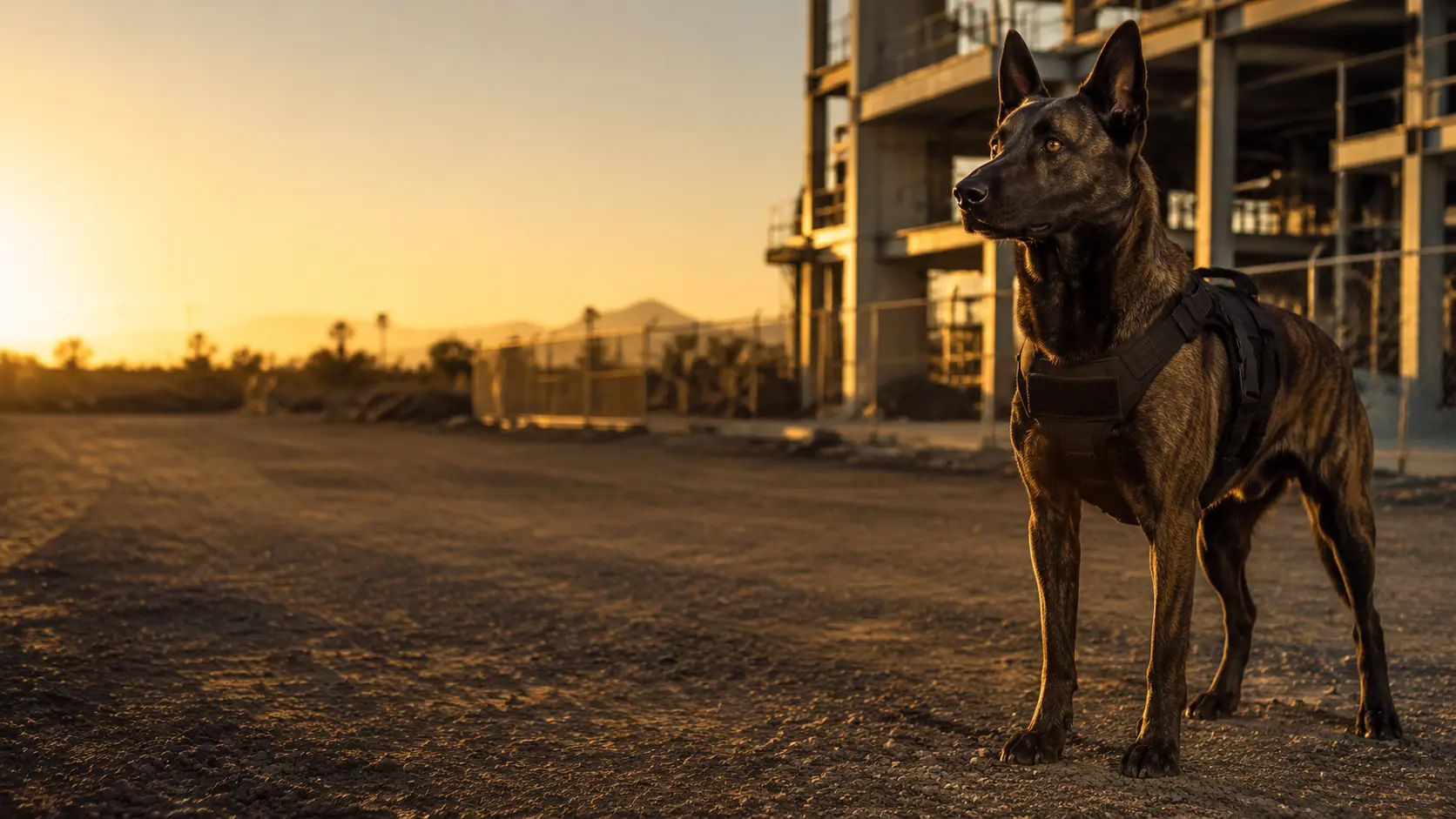
Representative Dutch Shepherd breed image

Dutch Shepherd

Typical lifespan
11–14 years
Adult size
Approximately 42–75 lb and 21.5–24.5 in at the shoulder.
Origin and original purpose
The Netherlands; developed naturally as a versatile farm and shepherd dog. Original duties included herding, livestock movement and guarding the farm.
Registry recognition
AKC Foundation Stock Service: April 2012; Miscellaneous Class: January 1, 2017. These stages are distinct from full breed recognition.
Litter size
Varies with the parents and pregnancy. The registry profile does not give a breed-wide litter average; see the general litter-size information below.

General characteristics

Lively, intelligent and active, with an independent streak. Needs consistent training and both physical and mental activity.

Official Breed Registries

The AKC page describes the breed in the Miscellaneous Class; this is distinct from full recognition.

Sources and litter notes · Back to breeds ↑

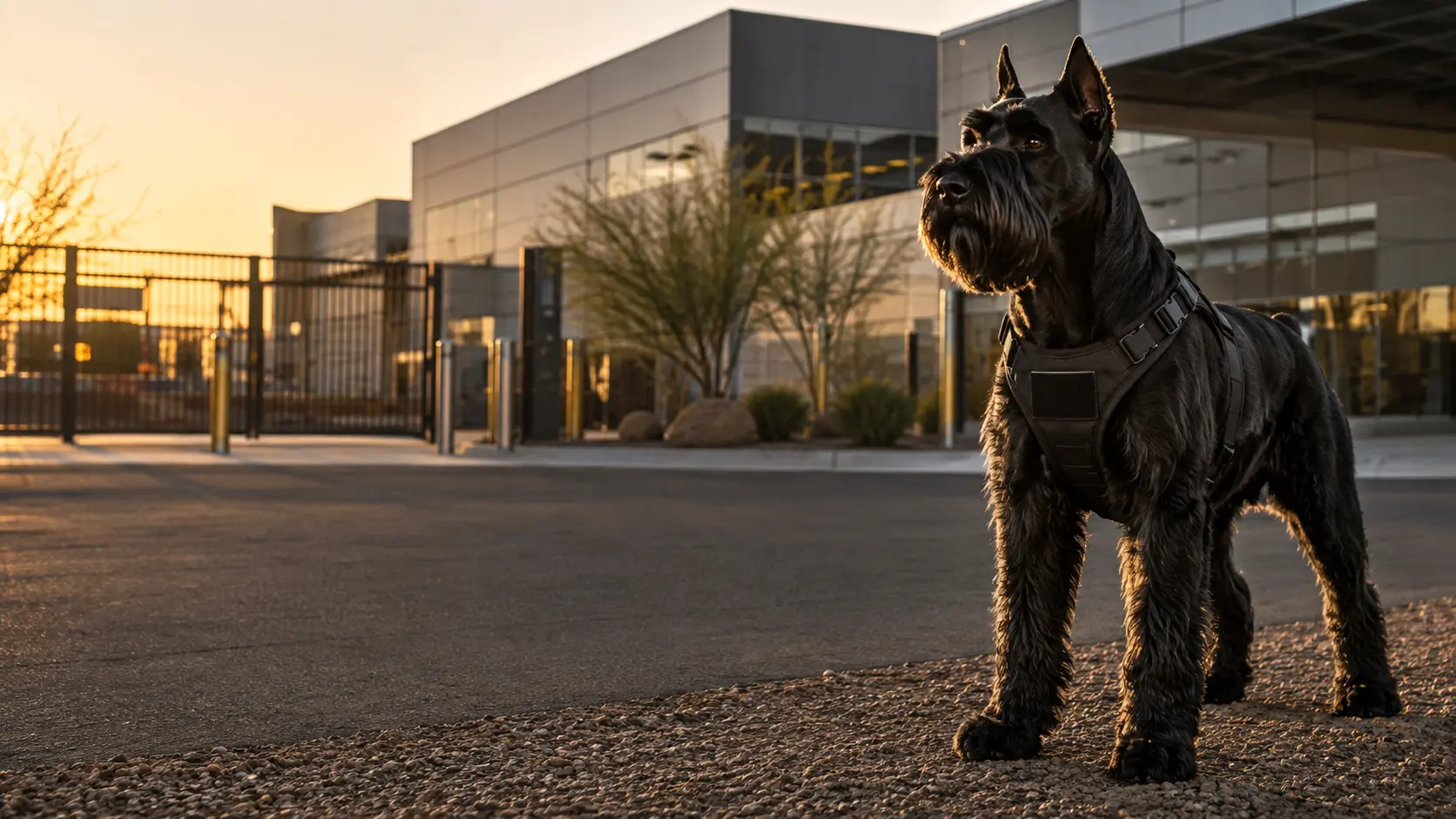
Representative Giant Schnauzer breed image

Giant Schnauzer

Typical lifespan
10–13 years
Adult size
Males: 75–95 lb, 25.5–27.5 in. Females: 55–80 lb, 23.5–25.5 in.
Origin and original purpose
Bavaria, Germany, in the nineteenth century. Developed from larger working schnauzer stock and other drover dogs to move cattle and guard farms and businesses.
Registry recognition
AKC: 1930.
Litter size
A Norwegian Kennel Club study reported a mean of 7 puppies across 42 litters recorded in 2006–2007; individual litters varied widely.

General characteristics

Strong, alert and trainable. Substantial exercise, purposeful training and regular coat care are part of the commitment.

Official Breed Registries

Sources and litter notes · Back to breeds ↑

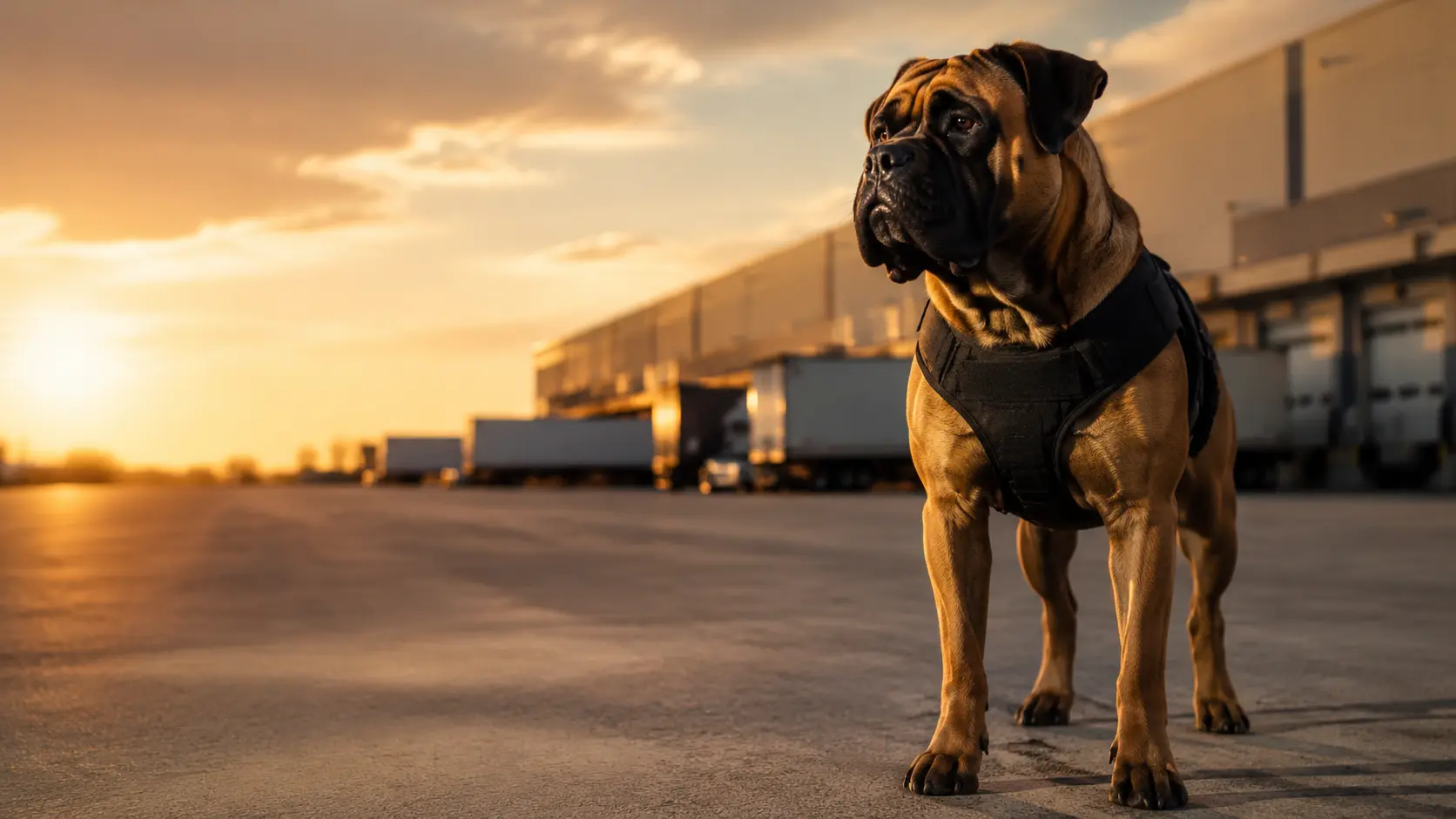
Representative Bullmastiff breed image

Bullmastiff

Typical lifespan
7–9 years
Adult size
Males: 110–130 lb, 25–27 in. Females: 100–120 lb, 24–26 in.
Origin and original purpose
Nineteenth-century Britain; developed by crossing Mastiffs and Bulldogs to assist estate gamekeepers in finding and restraining poachers. Historically known as the Gamekeeper’s Night Dog.
Registry recognition
AKC recognition list: 1934.
Litter size
Varies. The AKC profile does not provide a breed-wide average; a reproductive veterinarian can advise on an individual pregnancy.

General characteristics

Muscular, powerful and observant. Suitable exercise, early socialization and responsible handling remain important despite a comparatively calm appearance.

Official Breed Registries

Sources and litter notes · Back to breeds ↑

Choose the Right Protection for Your Property

Our team can explain guard dog security, site suitability and available coverage.

Request a Guard Dog Security Quote →